
What Are Commodities? Types, Trading, Benefits & Essential Insights
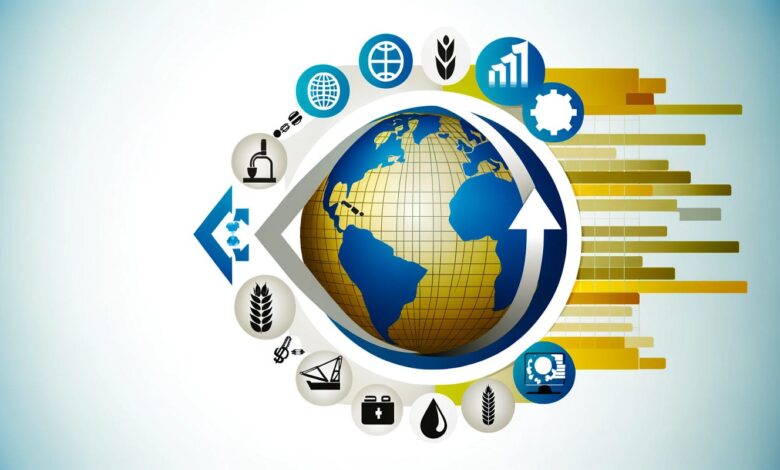
Commodities form the backbone of the global economy, influencing everything from food prices to industrial production. Whether traded physically or through financial markets, these raw materials play a crucial role in shaping economic trends, inflation patterns, and investment strategies.
What Are Commodities?
Commodities are basic raw materials used in the production of goods and services. These materials are standardized, interchangeable, and typically extracted, grown, or mined. Their universal nature makes them essential for global trade and market stability.
Key Characteristics of Commodities
-
Fungibility: One unit is interchangeable with another of the same grade.
-
Standardization: Quality specifications ensure global uniformity.
-
Market-Driven Pricing: Supply–demand dynamics dictate price movements.
-
Global Availability: Usually sourced across various continents.
Main Types of Commodities
1. Agricultural Commodities
These products come from farming and livestock activities.
Common examples:
-
Wheat
-
Corn
-
Soybeans
-
Cotton
-
Coffee
-
Sugar
2. Energy Commodities
Energy products fuel industries, transportation, and households.
Key examples:
-
Crude oil
-
Natural gas
-
Gasoline
-
Heating oil
3. Metal Commodities
Metals are widely used in construction, technology, and manufacturing.
Includes:
-
Gold
-
Silver
-
Copper
-
Aluminum
-
Platinum
4. Livestock and Meat
Essential for food supply chains and agriculture markets.
Notable items:
-
Live cattle
-
Lean hogs
-
Feeder cattle
How Commodity Trading Works
Commodity trading happens primarily through futures contracts, where buyers and sellers agree on a future price for a specified quantity.
Major Commodity Exchanges
-
Chicago Mercantile Exchange (CME)
-
New York Mercantile Exchange (NYMEX)
-
London Metal Exchange (LME)
-
Multi Commodity Exchange (MCX)
Why Trade Commodities?
Investors and institutions trade commodities for:
-
Portfolio diversification
-
Hedging against inflation
-
Risk management
-
Exposure to global economic trends
Factors Influencing Commodity Prices
1. Supply and Demand
Commodity prices fluctuate heavily based on production levels and consumption needs.
2. Geopolitical Events
Conflicts, sanctions, and trade restrictions can limit supply and trigger price volatility, especially in energy markets.
3. Weather Conditions
Agricultural commodities are highly sensitive to:
-
Droughts
-
Floods
-
Seasonal variations
4. Currency Movements
Most commodities are priced in the U.S. dollar. When the dollar weakens, commodity prices often rise.
5. Technological Changes
Innovation in mining, farming, and extraction can significantly impact production capacity and costs.
Benefits of Investing in Commodities
-
Protection Against Inflation: Prices usually rise during periods of inflation.
-
Diversification: Commodities often move independently of stocks and bonds.
-
Tangible Value: Unlike digital assets, commodities represent real physical goods.
Risks Associated With Commodities
While lucrative, commodity markets can be risky due to:
-
High volatility
-
Leverage exposure in futures trading
-
Impact of unpredictable natural events
-
Political instability affecting supply chains
Understanding these risks is essential for informed decision-making.
Frequently Asked Questions (FAQs)
1. What is the difference between commodities and stocks?
Commodities represent physical raw materials, while stocks represent ownership in a company.
2. Are commodities suitable for long-term investment?
They can be, especially for diversification, but require monitoring due to volatility.
3. What is a futures contract in commodity trading?
It is an agreement to buy or sell a commodity at a predetermined price on a future date.
4. How do geopolitical issues impact commodities?
Events such as wars and trade sanctions can restrict supply and cause price spikes.
5. Is gold considered a commodity?
Yes, gold is a widely traded precious metal and one of the most popular commodity investments.
6. Do commodities pay dividends?
No, since they represent physical materials, they do not generate dividend income.
7. Can beginners invest in commodities?
Yes, through ETFs, mutual funds, or indirectly via commodity-focused companies.


