
Spiritual Vision and Service: Leading at North County Christ the King Church
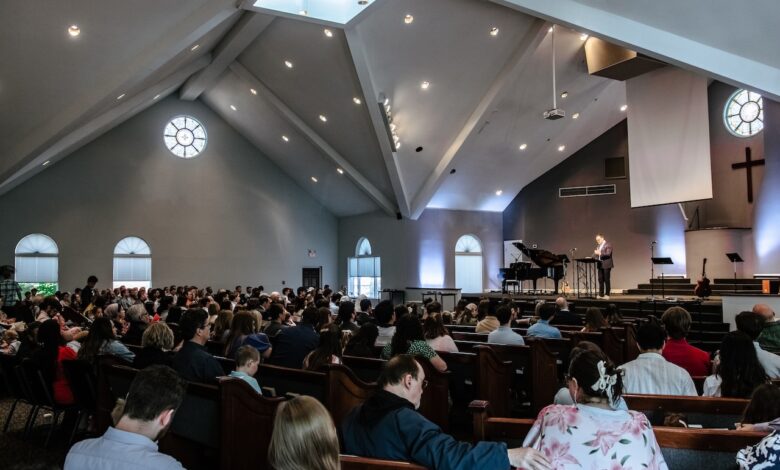
North County Christ the King Church stands at a vibrant intersection of gospel conviction, community impact, and organizational growth. As the church expands ministries across age groups, campuses, and digital spaces, it needs leaders who pair spiritual authority with practical savvy. This article explores how visionary leaders clarify mission, align ministries, and shepherd people through seasons of change with grace and grit. You’ll see how prayer, strategy, and service come together in a distinctive leadership culture—one that honors the past while preparing for what’s next. If you’re discerning how to connect with this unfolding story or want to learn more about the search process, Contact us and start a conversation.
Characteristics of visionary leadership in expanding church ministries
Visionary leadership begins with a deep trust in God’s character and a clear-eyed understanding of the times. At North County Christ the King Church, vision is not a slogan but a shared map, orienting leaders and teams toward Christ’s mission in North County and beyond. The most effective leaders listen well, name reality, and communicate a preferred future that invites people to participate. They blend biblical imagination with concrete goals, turning inspiration into action and action into measurable discipleship outcomes. Above all, they embody humility, modeling the kind of faithfulness they hope to multiply in others.
From prayerful imagination to actionable strategy
Vision is clarified in the place of prayer and tested in the laboratory of ministry. Leaders translate a big-picture calling into milestones, rhythms, and responsibilities that make the mission tangible for staff, volunteers, and congregants. They cultivate a long horizon—seeing years ahead—while holding a weekly cadence that keeps teams focused on what matters now. Clarity does not mean rigidity; visionary leaders build adaptive plans that respond to new opportunities without drifting from the core. This combination of conviction and flexibility allows ministries to grow while staying aligned with the church’s theological center.
- They identify a few vital priorities and say no to distractions.
- They define success in terms of spiritual formation and community impact, not just attendance.
- They develop leaders at every level, decentralizing authority without diluting accountability.
- They communicate progress transparently, celebrating wins and learning from misses.
Visionary leadership also elevates the “why” behind every “what.” When teams understand how their tasks connect to transformed lives, morale rises and innovation increases. In a growing church, the Lead Pastor North County role carries the unique responsibility of keeping the mission front-and-center while empowering ministry directors to contextualize it. That looks like preaching with clarity, setting direction through planning, and equipping staff to advance the mission in their specific domains. The result is a unified, Spirit-led movement with room for creativity across ministries.
Integrating spiritual vitality with effective administrative oversight
Spiritual vitality is the lifeblood of a church; administrative oversight is the circulatory system that keeps that life flowing to the body’s extremities. Healthy leaders give equal weight to prayer, worship, and Scripture while stewarding finances, facilities, and staff with excellence. The goal is not to pit spiritual fervor against organizational integrity but to unite them in a single, integrated approach to ministry. When this integration is done well, pastoral warmth and operational sharpness reinforce each other. Congregants experience both the tenderness of shepherds and the competence of builders.
Building systems that serve people
Administrative systems should serve discipleship, not replace it. Thoughtful leaders build planning tools and feedback loops that free pastors and volunteers to care for people more effectively. A weekly schedule offers predictable rhythms for sermon preparation, pastoral care, and team development, while dashboards reveal trends that inform prayerful decision-making. Budgets become a theological document, pointing resources toward the church’s deepest commitments and multiplying the impact of every dollar. In the process, communication channels—meetings, reports, and informal check-ins—become avenues of encouragement and alignment rather than bureaucratic hurdles.
- Create a ministry calendar that balances seasons of outreach, formation, and rest.
- Use simple metrics that illuminate spiritual progress, not just numerical growth.
- Align staffing with mission-critical priorities and clear role expectations.
- Audit recurring meetings to ensure they add value and end with actionable next steps.
For North County Christ the King Church, wise oversight also means calibrating pace and scope as the church grows. Expansion requires scalable processes that protect pastoral care as new people step into community. The Lead Pastor North County leader sets the tone by practicing Sabbath, modeling healthy rhythms, and empowering teams to make informed decisions. In this context, administrative excellence becomes an act of love—removing friction so the gospel can be heard, seen, and practiced in everyday life.
Adapting ministry models to meet modern congregational needs
People’s lives and schedules are changing, and effective churches respond with thoughtful, mission-driven adaptation. Families navigate complex demands; young adults often seek meaning before joining institutions; and digital platforms shape how people learn, connect, and commit. Rather than chasing trends, North County Christ the King Church can leverage its core convictions to design ministries that meet people where they are. Adaptation starts by listening—through surveys, conversations, and pastoral observation—and continues with prototypes that can be refined over time. In a climate of rapid change, leaders who stay curious and responsive foster lasting engagement and deeper discipleship.
A flexible framework for change
Adaptation works best when guided by a clear framework. Ministries can be evaluated on their biblical fidelity, community impact, volunteer sustainability, and alignment with the church’s strategic priorities. Leaders develop lightweight pilots—new group formats, hybrid events, or specialized care initiatives—and review outcomes at set intervals. Successful pilots graduate into ongoing ministries, while others are celebrated for what they taught the team before being sunsetted. This disciplined approach keeps innovation focused and prevents mission drift.
- Map the discipleship journey from first visit to mature participation.
- Offer pathways for both digital engagement and embodied community.
- Diversify group models—interest-based, neighborhood-based, and mentor-guided.
- Provide low-barrier onramps for serving that lead to deeper training.
Adaptation is not only programmatic; it’s pastoral. As the Lead Pastor North County leader champions contextual ministry, they also offer theological guardrails that keep the church rooted. That means cultivating teams who can exegete culture and Scripture with equal care, using both to shepherd people wisely. If you’re exploring how your gifts intersect with this season at North County Christ the King Church, Contact us to begin a prayerful dialogue about opportunities and next steps.
Cultivating servant leadership as a foundation for church growth
True growth depends on the depth of the church’s serving heart, not just the breadth of its platform. Servant leadership centers on Jesus’ call to lead by lowering ourselves, lifting others, and stewarding influence for the sake of the least and the lost. In practice, this looks like leaders who listen before they direct, who share credit and take responsibility, and who make space for new voices to emerge. A culture of service replenishes volunteers, strengthens staff cohesion, and embodies the gospel in ways words alone cannot. When serving becomes the norm, growth becomes sustainable.
Practices that form servant leaders
Servant leadership doesn’t emerge by accident; it’s cultivated through intentional formation. Mentoring relationships, peer cohorts, and spiritual disciplines create a shared language of humility and courage. Leaders practice confession and celebrate grace, making the church a safe place to grow. They recognize and multiply diverse gifts, ensuring teams reflect the broader community they aim to serve. Over time, a servant posture becomes a competitive advantage—attractive to those longing for authenticity and purpose.
- Establish a leadership pipeline with clear stages of training and commissioning.
- Build a “rule of life” for staff that integrates prayer, learning, and rest.
- Normalize feedback through regular one-on-ones and 360 reviews.
- Celebrate hidden heroes—those who serve behind the scenes—with tangible gratitude.
Servant leadership also shapes how authority flows. Empowerment replaces control, resulting in faster problem-solving and higher ownership at every level. The Lead Pastor North County role models this by developing other preachers, coaches, and ministry leads, thereby expanding the church’s capacity without over-relying on a single personality. As North County Christ the King Church expands, a servant-led ecosystem ensures people are formed, not merely managed, and that every program ultimately points to the character of Christ.
The role of Vanderbloemen in matching dynamic leaders to church vision
Vanderbloemen partners with churches to identify leaders who fit both the seat and the season—matching theological convictions, leadership competencies, and cultural DNA. For a growing church like North County Christ the King, this partnership brings clarity to a complex process, from crafting the role profile to navigating a search that honors candidates and the congregation alike. The team evaluates preaching capacity, strategic acumen, emotional intelligence, and team-building skills through interviews, assessments, and references. They also examine track records of change leadership, financial stewardship, and multi-ministry oversight—factors crucial in an expanding environment. This diligence protects the church from misalignment and prepares the new leader to thrive on day one.
A partnership model for long-term flourishing
The best searches are spiritual and strategic, prayerful and professional. Vanderbloemen collaborates with church elders and staff to define success markers for the first 12 to 24 months, creating a runway for momentum. They help the search team differentiate non-negotiables from preferences, widening the candidate pool without compromising mission. Communication stays transparent, timelines are realistic, and pastoral care guides the process so the congregation remains united and hopeful. When the right candidate is called, onboarding plans address preaching calendars, team development, and early wins that build trust.
- Discovery: clarify vision, values, and the competencies the season requires.
- Search: source and screen diverse candidates for spiritual depth and leadership fit.
- Discernment: facilitate interviews, references, and theological alignment.
- Onboarding: craft a 90-day and first-year plan for culture, communication, and strategy.
In the end, a successful match is about more than a résumé—it’s about resonance with the church’s heartbeat. The Lead Pastor North County appointment will shape preaching tone, staff health, and the agility of ministries for years to come. If you sense a nudge to step into this kind of leadership—or you’re a congregant who wants to support the process—Contact us to learn how Vanderbloemen and North County Christ the King Church are partnering in prayerful search and discernment. Together, the church and its next leader can pursue a future marked by spiritual vision and sacrificial service.


