Modern Industrial Sector Overview: Trends, Technologies, Challenges & Future Outlook
The industrial sector serves as the backbone of global economic development. It consists of industries involved in manufacturing, construction, mining, energy production, and industrial services. Over the years, this sector has evolved dramatically, driven by automation, digitalization, and shifting consumer expectations.
The Evolution of Modern Industry
From Manual Production to Automation
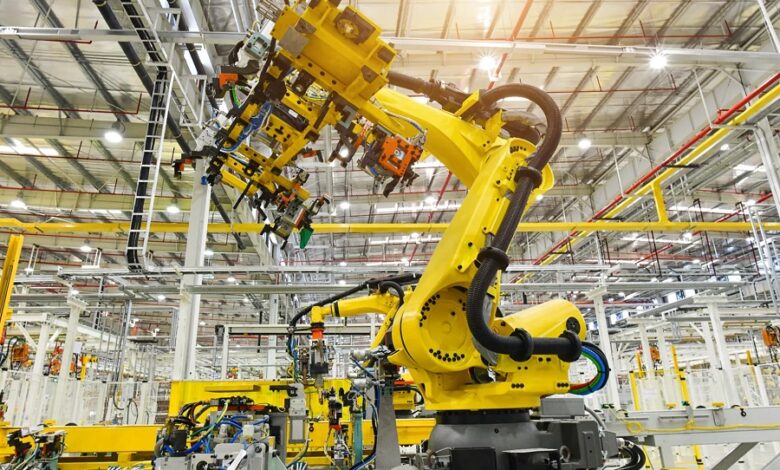
Industrial operations have transitioned from labor-intensive processes to highly automated systems. Today’s factories rely on:
-
Robotics for precision and efficiency
-
AI-driven monitoring to reduce downtime
-
Smart sensors for predictive maintenance
The Rise of Digital Manufacturing
Digital transformation has reshaped industrial workflows, enhancing productivity and reducing operational risks. Key developments include:
-
3D printing and additive manufacturing
-
Real-time data analytics
-
Cloud-connected industrial systems
-
Digital twins for simulation and optimization
Key Segments Within the Industrial Sector
Manufacturing
Manufacturing remains the largest component, producing goods ranging from electronics to automobiles. This segment benefits heavily from automation and lean manufacturing methods.
Energy & Utilities
Power generation, renewable energy, and water management systems support industrial output worldwide. Sustainability mandates have intensified the shift toward greener energy sources.
Construction & Infrastructure
Urbanization continues to drive growth in construction projects, supported by advanced materials and modern engineering technologies.
Mining & Raw Materials
Critical minerals, metals, and raw materials remain essential for global industry supply chains, especially in electronics and clean energy manufacturing.
The Role of Technology in Industrial Growth
Artificial Intelligence
AI improves decision-making, enhances production accuracy, and helps identify inefficiencies before they escalate.
Internet of Things (IoT)
Connected devices enable factories to monitor machines, automate responses, and ensure real-time visibility across operations.
Industrial Robotics
Robots are used for repetitive tasks, precision assembly, hazardous operations, and logistics—improving both safety and speed.
Sustainable Technologies
Eco-friendly solutions such as energy-efficient machinery, carbon-capture technologies, and closed-loop manufacturing reduce environmental impact.
Challenges Facing the Industrial Sector
Supply Chain Disruptions
Global instability and material shortages continue to challenge production cycles across many industries.
Skilled Labor Shortage
Despite automation, the need for skilled technicians, engineers, and digital specialists has increased.
Rising Operational Costs
Energy prices, labor expenses, and equipment maintenance costs have pushed industries to pursue efficiency-focused strategies.
Regulatory Pressures
Environmental and safety regulations require industries to constantly adapt and upgrade systems.
Opportunities Shaping the Future of Industry
Green Manufacturing
Companies investing in low-emission production methods gain long-term competitive advantages.
Industry 4.0 Adoption
Digital ecosystems that integrate AI, IoT, cloud computing, and automation continue to unlock new revenue opportunities.
Smart Supply Chains
Smart logistics and predictive analytics help improve product delivery timelines and reduce inventory loss.
Reshoring and Localized Production
Businesses are shifting production closer to home markets to reduce risk and improve responsiveness.
Future Outlook
The global industrial landscape is on the brink of even more disruptive innovations. As technologies mature and sustainability becomes a priority, industries that embrace digital transformation and eco-friendly strategies will lead the next wave of global progress. The future industrial ecosystem will be defined by adaptability, resilience, and intelligent automation.
FAQs
1. What is the primary purpose of the industrial sector?
It provides essential goods, materials, and infrastructure that support economic development and daily life.
2. How does automation benefit modern industry?
Automation improves production speed, reduces human error, and enhances workplace safety.
3. What industries fall under the industrial sector?
It includes manufacturing, energy, construction, mining, and industrial engineering services.
4. How is digital transformation influencing industry?
By integrating data analytics, AI, and connected systems, it boosts efficiency and lowers operational risk.
5. Why is sustainability important for industrial companies?
It helps businesses meet regulations, reduce energy costs, and improve their environmental footprint.
6. What challenges do manufacturers face today?
Key issues include supply chain instability, labor shortages, and rising operational costs.
7. Which technologies will shape the future of industry?
Advanced robotics, AI, smart factories, green energy solutions, and digital twins are expected to dominate.