Industry
Decarbonization Roadmap for High-Emission Industry Sectors
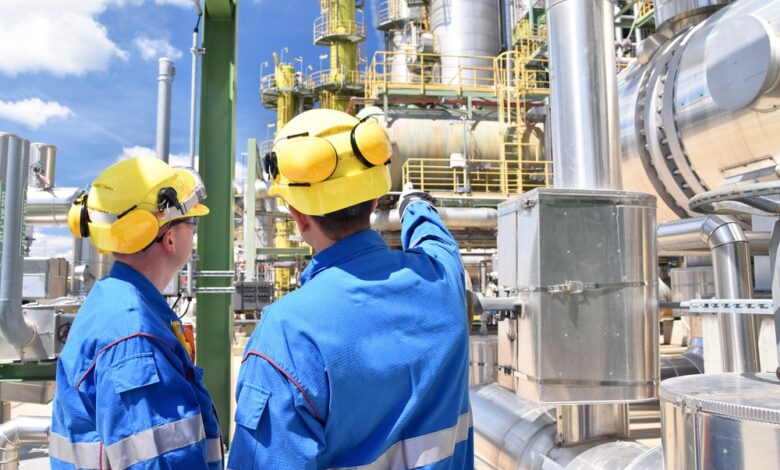
High-emission heavy industries form the material bedrock of global infrastructure and modern commerce. The production of steel, cement, basic chemicals, and refined petroleum accounts for roughly thirty percent of worldwide greenhouse gas emissions. Historically labeled hard-to-abate, these sectors face stubborn technical constraints: they rely on high-temperature process heat, generate unavoidable chemical process emissions, and operate long-lived, capital-intensive facilities. Achieving net-zero emissions requires moving past incremental efficiency gains toward structural, system-level overhauls. A credible industrial decarbonization roadmap aligns direct electrification, low-carbon hydrogen, raw material substitution, carbon capture, and circular manufacturing models into an integrated timeline.
Defining the High-Emission Industrial Landscape
Four primary industrial sub-sectors represent the overwhelming majority of heavy industrial emissions, each posing distinct engineering challenges.
-
Steel Manufacturing: Responsible for seven to nine percent of global emissions, conventional blast furnace-basic oxygen furnace operations use metallurgical coal as both a fuel for intense heat and a chemical reducing agent for iron ore.
-
Cement and Lime Production: Generating roughly eight percent of total emissions, cement manufacturing produces carbon dioxide primarily through the chemical calcination of limestone inside kilns, rather than solely through the fuel burned to heat them.
-
Primary Chemical Synthesis: The manufacturing of ethylene, propylene, ammonia, and methanol relies heavily on fossil hydrocarbons as direct feedstock and requires high thermal energy for steam cracking and reforming.
-
Aluminum Smelting: While primarily power-intensive during electrolysis, aluminum production also releases direct emissions through the degradation of consumable carbon anodes.
Core Decarbonization Pillars and Technological Pathways
Decarbonizing these manufacturing hubs requires deploying five interconnected technical solutions across different operating horizons.
Deep Direct Electrification and Grid Modernization
Direct electrification provides the highest thermodynamic efficiency for emissions reduction whenever feasible.
-
Low to Medium Heat Applications: Industries using process heat below four hundred degrees Celsius, such as food processing, pulp and paper, and specific chemical distillation steps, can immediately transition to industrial heat pumps and electric boilers.
-
Electric Arc Furnaces: Steelmaking can replace coal furnaces with electric arc units running on recycled scrap metal, cutting direct operational emissions by over seventy percent when matched with firm zero-carbon electricity.
-
Novel Electrochemical Processing: Emerging research focuses on electrowinning iron ore directly at low temperatures, completely bypassing smelting, though commercial readiness remains slated for the next decade.
Clean Hydrogen and Alternative Reductants
Electrification cannot directly address chemical reduction needs or extreme process heat above one thousand degrees Celsius. Clean hydrogen, produced via water electrolysis powered by dedicated renewables or nuclear energy, serves as an essential drop-in substitute.
-
Direct Reduced Iron Technology: Hydrogen-based direct reduction replaces fossil synthesis gas with pure green hydrogen. When paired with electric arc furnaces, this route yields virgin steel with near-zero operational emissions.
-
Chemical Feedstock Substitution: Conventional ammonia and methanol synthesis consume vast volumes of gray hydrogen derived from natural gas. Shifting synthesis loops to green hydrogen or biomass-derived syngas strips the embedded fossil carbon from the resulting fertilizers and base plastics.
-
High-Temperature Hydrogen Combustion: Retrofitting gas-fired furnaces, boilers, and petrochemical crackers to burn clean hydrogen allows facilities to achieve extreme temperatures without releasing carbon dioxide.
Clinker Reduction and Novel Binding Materials
Because two-thirds of cement emissions originate from the calcination reaction itself, energy efficiency alone cannot neutralize the sector. Solutions target the chemistry of the binders.
-
Supplementary Cementitious Materials: Traditional Portland cement can be partially blended with industrial byproducts like calcined clay, granulated blast furnace slag, and natural pozzolans, lowering the clinker-to-cement ratio significantly.
-
Alternative Chemistries: Non-limestone based formulations, such as belite-sulfoaluminate cements or carbon-curing mineral carbonates, permanently sequester carbon during the curing stage and require lower kiln temperatures.
Carbon Capture, Utilization, and Permanent Storage
Carbon capture, utilization, and storage remains unavoidable for facilities with centralized, irreducible process emissions like cement kilns and existing chemical plants.
-
Point-Source Flue Gas Capture: Chemical absorption solvents, cryogenic fractionation, and solid sorbent systems capture up to ninety-five percent of process emissions directly at stack discharge.
-
Geological Sequestration: Captured dense-phase carbon dioxide is transported via pipeline or ship to deep saline aquifers or depleted offshore reservoirs for permanent mineral entrapment.
-
Synthetic Utilization: Carbon dioxide captured from industrial stacks can be combined with clean hydrogen to synthesize aviation fuels, polymers, and building aggregates, establishing circular carbon loops.
Material Efficiency and Circular Economy Integration
Upstream demand reduction and scrap management lower the absolute volume of primary extraction required.
-
Structural Optimization: Leaner architectural designs and higher-strength alloys reduce the gross tonnage of steel and concrete specified in commercial building projects.
-
Closed-Loop Metal Recycling: Improving sorting techniques for scrap aluminum and high-alloy steel prevents downcycling, conserving up to ninety-five percent of the energy demanded by primary smelting.
Phased Implementation Roadmap Through 2050
The transition path must balance asset lifecycles, capital availability, and supply chain maturity through three distinct phases.
Phase One: Near-Term Optimization (Current to 2030)
The current window centers on implementing commercially ready interventions while de-risking next-generation pilot installations.
-
Upgrade operational waste-heat recovery systems to capture industrial exhaust.
-
Install high-efficiency digital process controllers, motor drives, and variable frequency equipment.
-
Co-fire alternative fuels, processed refuse, and sustainable biomass in existing cement kilns to displace coal.
-
Expand scrap collection logistics to maximize recycled metal feedstocks for modern electric arc furnaces.
-
Complete FEED studies and break ground on commercial-scale carbon capture and clean hydrogen demonstration hubs.
Phase Two: Deep Structural Deployment (2030 to 2040)
During this decade, mature alternative technologies must deploy at industrial scale to coincide with typical plant refurbishment and relining cycles.
-
Commission commercial hydrogen-direct reduced iron steel mills and retire end-of-life blast furnaces.
-
Scale point-source carbon capture systems on modern cement kilns and build integrated carbon transport corridors.
-
Convert ammonia and chemical production lines to commercial green hydrogen feedstocks.
-
Deploy thermal energy storage and megawatt-scale industrial heat pumps for process heat across light chemical and manufacturing plants.
Phase Three: Sector-Wide Net-Zero Integration (2040 to 2050)
The final phase achieves total residual neutralization across secondary and non-interconnected assets.
-
Universalize zero-emission regional grids, supplying continuous clean power for high-demand industrial clusters.
-
Complete pipeline infrastructure networks linking distributed capture hubs with offshore and underground storage basins.
-
Fully scale commercial low-clinker and limestone-free cements across municipal, industrial, and infrastructure procurement standards.
-
Incorporate localized carbon removal solutions to balance any uncaptured fugitive or diffuse emissions across chemical complexes.
Enabling Policies, Capital, and Market Mechanisms
Technological readiness alone will not drive transformation without an economic environment that bridges the cost premium between fossil fuels and clean alternatives.
-
Public Procurement Mandates: Governments use purchasing power to create guaranteed early markets for low-carbon steel, asphalt, and concrete in public infrastructure.
-
Carbon Contracts for Difference: Public financing mechanisms offset the operating cost delta between traditional fossil processes and low-emission innovations during initial commercial deployment.
-
Standardized Embodied Carbon Accounting: Harmonized life-cycle assessments ensure transparent tracking of emissions across domestic and cross-border supply chains.
-
Shared Infrastructure Hubs: Creating shared regional networks for clean hydrogen distribution, shared carbon storage trunk lines, and heavy-duty power connections reduces capital expenditure for co-located industrial tenants.
Frequently Asked Questions
What are the primary hurdles in retrofitting existing industrial sites compared to building new greenfield plants?
Retrofitting often requires cramming new equipment into constrained physical layouts, integrating novel systems with legacy machinery, managing unexpected operational downtimes, and dealing with facilities whose foundational engineering was designed specifically around fossil fuel combustion.
How do green premiums affect industrial products, and how can end markets absorb them?
The green premium refers to the additional operational and capital cost required to produce low-emission materials compared to fossil equivalents. While the cost of a ton of green steel or concrete might be twenty to forty percent higher, it represents only a small fraction of the overall budget of an automobile or finished skyscraper, making final consumer impact modest.
What role does wastewater and industrial effluent play in high-emission manufacturing decarbonization?
Effluent streams carry significant latent heat that industrial heat pumps can extract to preheat incoming process water. Additionally, treated industrial wastewater can serve as a local feedstock for water electrolysis facilities, preventing competition with municipal water supplies in drought-prone industrial corridors.
Can heavy industry decarbonization lead to unintended resource competition with other sectors?
Yes, heavy industry requires massive amounts of green hydrogen, continuous clean electricity, and biomass. If uncoordinated, these demands can compete directly with municipal electrical grids, transportation electrification, agricultural land use, and residential heating needs.
How do spatial clusters or industrial parks accelerate decarbonization timelines?
Clustering allows neighboring facilities to share the high capital costs of common infrastructure, such as dedicated clean power substations, CO2 compression pipelines, and hydrogen storage facilities. It also enables symbiotic exchanges, such as routing waste heat or byproduct gases from one plant into an adjacent facility as feedstock.
What technological alternatives exist if geological carbon storage sites are geographically inaccessible?
Facilities without nearby storage basins focus on mineralization techniques, locking carbon dioxide permanently into concrete aggregates or industrial slags. Others pursue synthetic hydrocarbon production or rely on rail and maritime logistics to transport liquified carbon dioxide to deep-sea or international storage hubs.